GI Microbiome Panel
$279.00
The canine gut microbiome plays a vital role in digestion, immune regulation, mood, and inflammation control, making a balanced microbial ecosystem essential for a dog’s overall health. This GI Microbiome panel uses next-generation sequencing on stool samples to measure microbial diversity, quantify dysbiosis severity, and provide actionable dietary and therapeutic recommendations for managing chronic gastrointestinal and systemic issues.
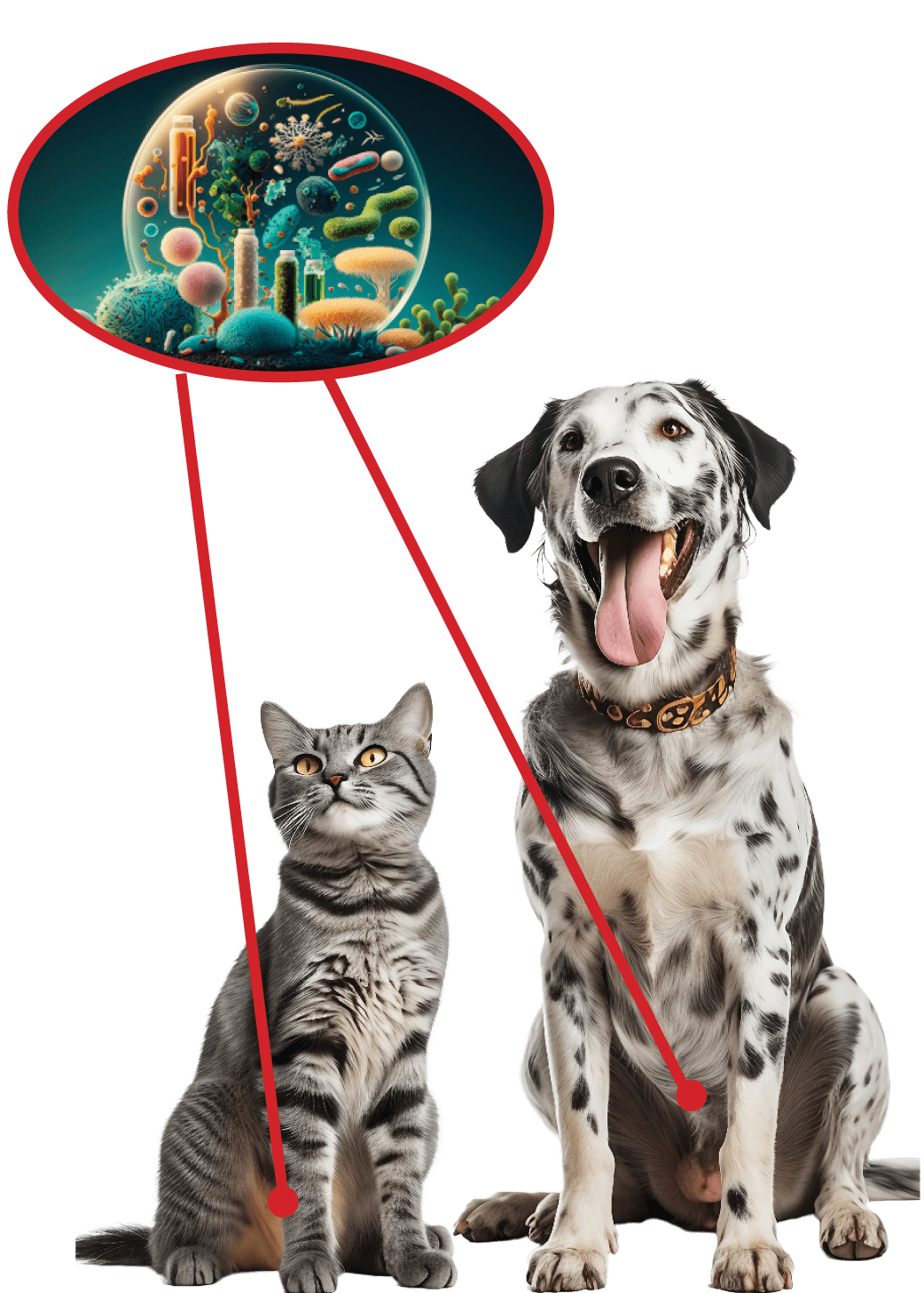
The gut microbiome in canines is made up of a multitude of microorganisms, primarily bacteria, that inhabit the digestive tract. These organisms are important for various bodily functions. The gut microbiome plays these important roles in a canine’s health:
- Digestion: Helps break down food and absorb nutrients and vitamins
- Immune System: Helps regulate the immune system as 70% of immune cells are located in the gut
- Mood Regulation: Influences the production of neurotransmitters which affect both mood and behavior
- Inflammation Control: Aids in managing inflammation, thereby reducing the risk of chronic health problems
A balanced and highly diverse gut microbiome is critical for a canine’s overall health and well-being. Any type of imbalance can lead to health problems which include digestive issues, inflammation, behavioral and mood changes. As you can see, the gut microbiome is at the center of gastrointestinal, immune, and metabolic health. Our GI Microbiome panel provides you and your veterinarian with a comprehensive analysis of the intestinal ecosystem by identifying microbial imbalance, loss of diversity, and functional disruption that form the foundation of many chronic gastrointestinal and systemic conditions. Maintaining gut health involves providing a nutritious diet, minimizing stress, and avoiding unnecessary antibiotics. By supporting the gut microbiome, we can help ensure that our dogs lead healthy lives.
Unlike routine fecal testing, which detects only pathogens and parasites, this panel measures the full microbial community using advanced molecular profiling. Next-generation sequencing (NGS) is a method of analyzing genetic material that allows for rapid sequencing of large amounts of DNA or RNA. Unlike traditional sequencing, NGS can simultaneously sequence millions of tiny fragments of DNA, allowing researchers to expand the scope of their genomic studies.
The results are then integrated into a Dysbiosis Severity Index (DSI) for clear clinical interpretation. By quantifying the degree and impact of dysbiosis, you and your veterinarian can move beyond symptomatic treatment to target the root cause, personalize therapy, and track recovery over time. From imbalance to insight, the GI microbiome panel transforms complex data into highly-actionable diagnostics.
Our final and comprehensive analysis includes the following:
- Complete list of bacterial and fungal quantification
- List of potential, clinically relevant species
- Antibiotic resistance for relevant species, including a table of common antibiotics (available upon request)
- Diversity Severity Index (DSI)
- Richness and evenness fermenter scoring
- Our recommendations based upon the findings
- Dietary changes, if any
- Supplement recommendations
Sample Collection
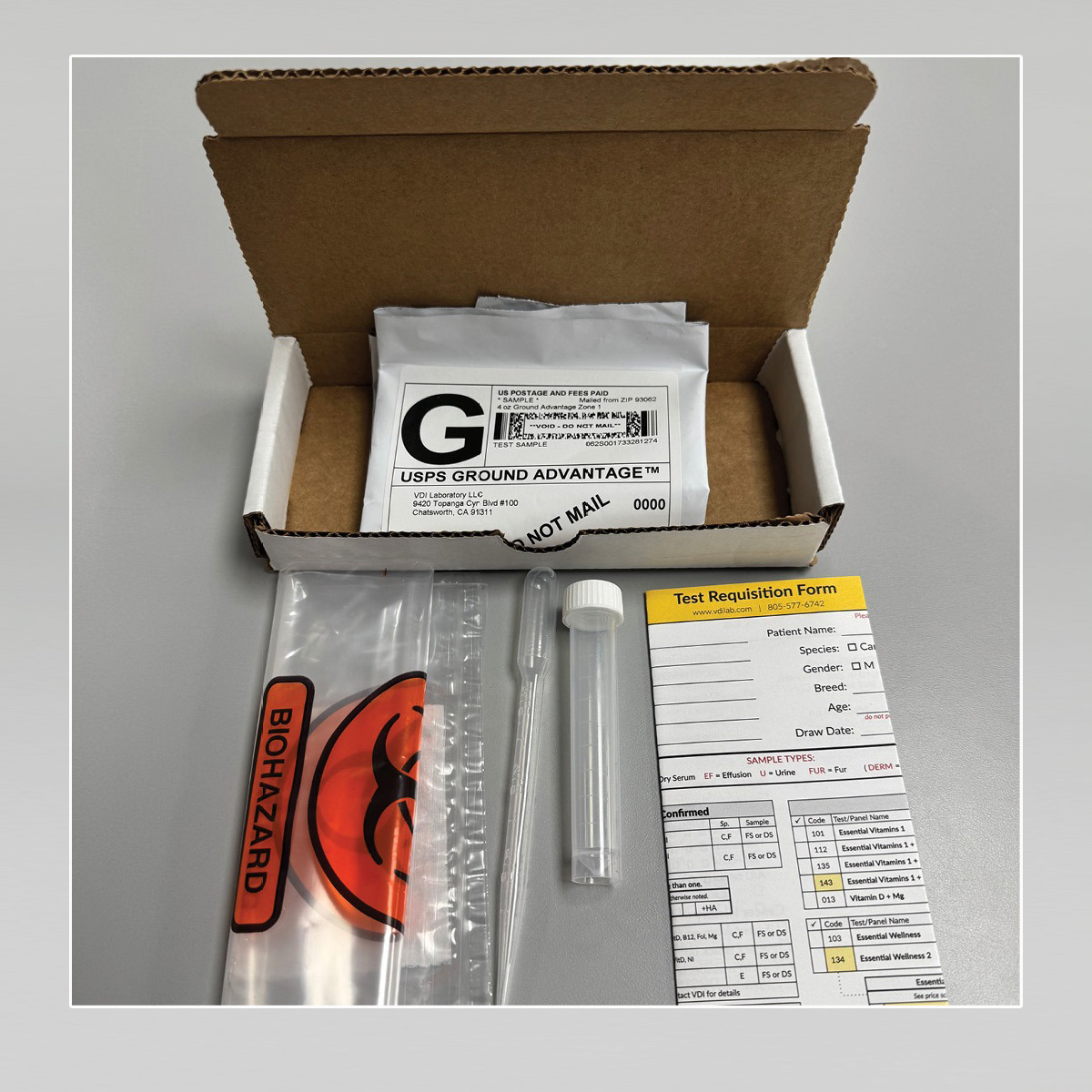
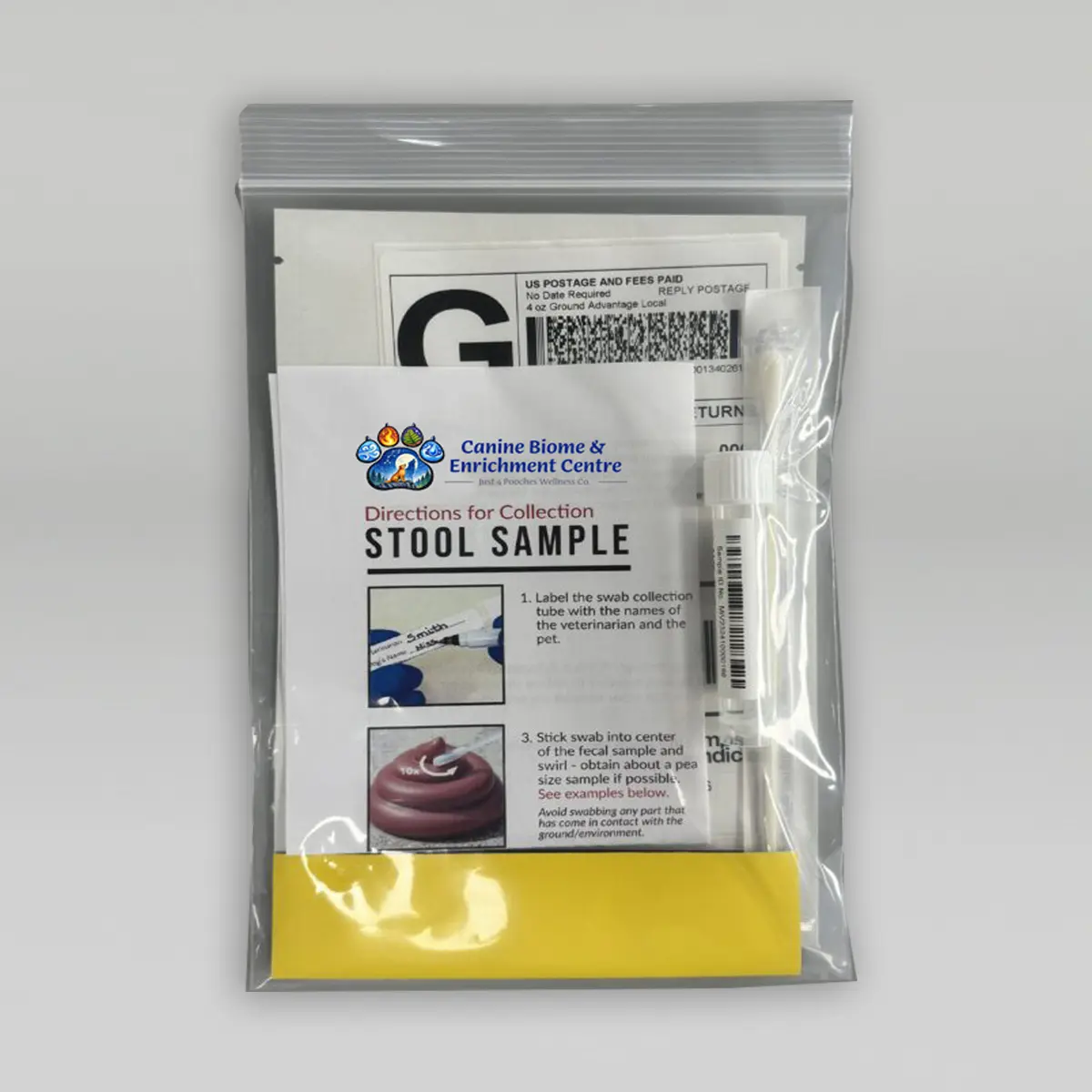
The GI microbiome panel requires you to collect and submit a stool sample, using our easy to use kit.
Dysbiosis Severity Index (DSI)
Measuring the microbial imbalance that drives gastrointestinal disease
Dysbiosis refers to the disruption in the normal balance of the intestinal microbiota – where beneficial, commensal organisms decline and opportunistic and pathogenic species can impair short chain fatty acid (SCFA) production, alter bile acid metabolism, weaken the intestinal barrier, and drive chronic mucosal inflammation. These microbial changes are often central to the persistence of gastrointestinal signs such as diarrhea, vomiting bloating, and malabsorption, even when routine lab tests appear normal.
The Dysbiosis Severity Index (DSI) provides you and your veterinarian with a quantitative measure of this imbalance. By this quantification of microbial imbalance, the DSI provides actionable guidance so you can track your dog’s progress and restore balance.
The DSI is most valuable when gastrointestinal signs are present but routine and standard diagnostics such as a complete blood count, blood chemistry, imaging, etc. fail to reveal a clear cause. Testing is recommended for the following conditions:
- Chronic or recurrent diarrhea, vomiting, or flatulence
- Suspected inflammatory bowel disease (IBD) or chronic enteropathy (CE)
- Antibiotic or diet responsive GI conditions
- Unexplained weight loss, poor appetite, or malabsorption
- Suspected microbiome disruption following antibiotics, steroids, or toxins
By establishing a baseline DSI, you can monitor recovery and evaluate treatment response over time. Our DSI is developed from proprietary data sets in companion animals. It quantifies not only the presence of dysbiosis but its biological severity. It combines multiple, measured indicators into one comprehensive index and tracks progress over time which is perfect for monitoring therapy effectiveness and relapse risk.
For healthy dogs, veterinarians recommend testing the microbiome once or twice a year. This allows for early detection of any potential imbalances and ensures that your dog’s gut remains in good condition. However, for dogs with digestive problems, more frequent testing is recommended. For those dogs with digestive issues, testing every two to three months is highly recommended as the microbiome is constantly in flux. By doing so, you can track improvements and adjust the diet accordingly. Once the gut microbiome is in balance, testing may be performed less frequently.