Mycotoxin Panel
$399.00
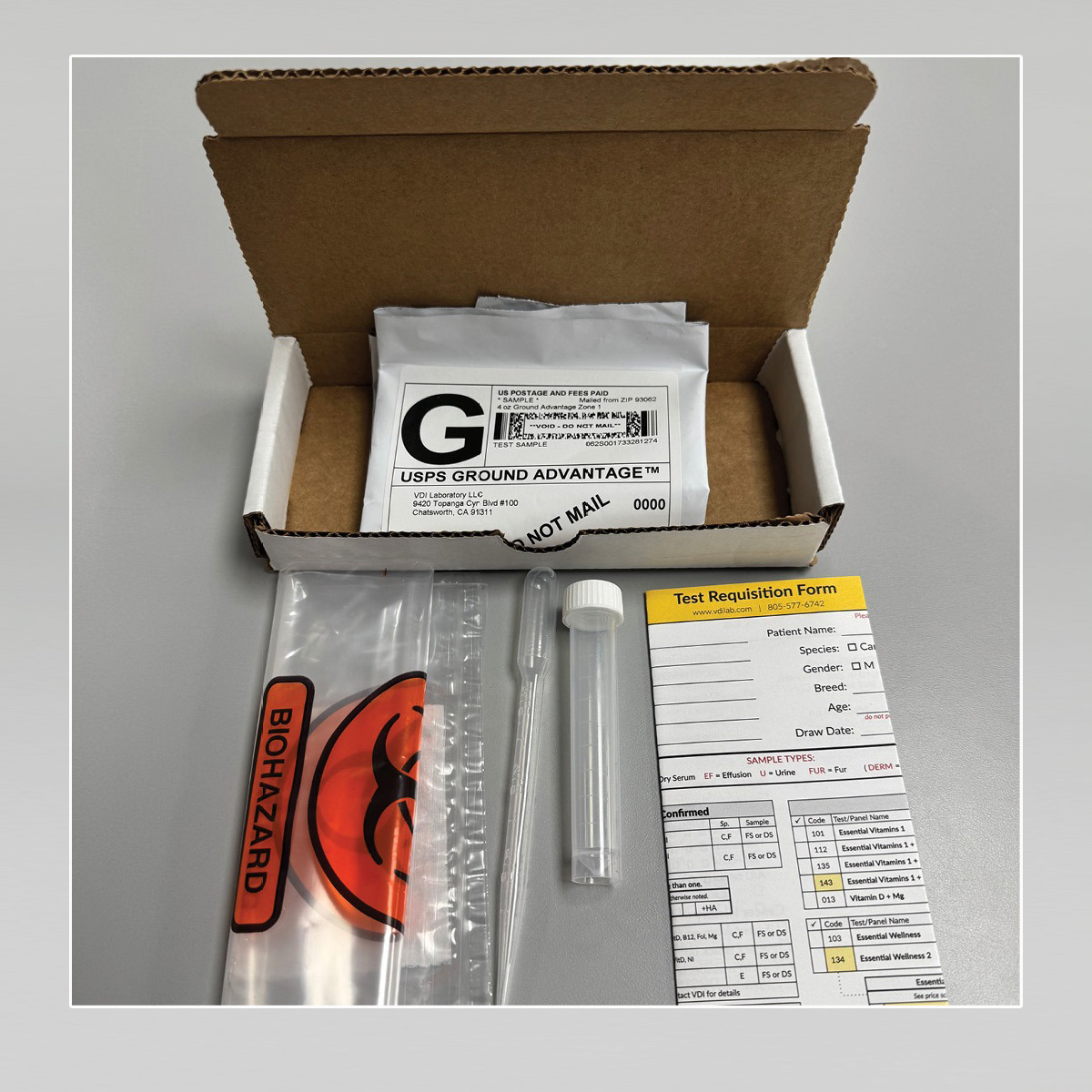
This diagnostic panel uses a 3 to 5 mL urine sample or environmental collection to detect 16 distinct mycotoxins across five major fungal groups. It is recommended for pets exhibiting unexplained gastrointestinal, respiratory, or neurological symptoms, particularly when exposed to contaminated food or indoor mold.
The test offers mycotoxin testing for both canine and environmental samples. It can detect a wide variety of mycotoxins, which are toxic compounds produced by certain molds, known to adversely affect human and animal health. If there is known mold contamination in the environment, it is crucial to consider testing your pet for potential mycotoxin exposure. This test may be utilized for canines, felines and equines.
This panel tests for 16 mycotoxins from five groups: aflatoxin group, ochratoxin A, trichothecene group (macrocyclic), gliotoxin derivative, and zearalenone. Pets that should be tested include those with known mold exposure in the home, known mold exposure in the food, adverse drug reaction/acutely depressed and responsive (ADR) pets with undiagnosed gastrointestinal signs, chronic gastrointestinal distress, chronic respiratory issues, chronic skin problems, change in behavior with unknown cause. Common clinical signs include diarrhea, vomiting, loss of appetite, weight loss, bloody stool, malabsorption, depression, seizures, ataxia, polyuria, jaundice, dehydration, difficulty breathing, nasal issues, fever, chronic and recurring infections, anorexia, restlessness, weakness, and prostration.
Mycotoxins are harmful substances that are produced by certain types of fungi and molds, posing significant risks to pets. Mycotoxins can also originate from mold in the environment, including black mold (stachybotrys chartarum), which can be found in dampe or poorly ventilated areas of homes. Animals exposed to these toxins, either through ingestion, inhalation or skin contact, are at risk of developing serious health issues. Environmental molds release spores and toxins into the air that can cause respiratory distress in animals. Symptoms may include coughing, sneezing, nasal discharge, or labored breathing. Prolonged exposure may also lead to lethargy, loss of appetite, and skin irritation. In severe cases, exposure to black mold can weaken the immune system, making them more susceptible to infections and chronic health problems.
In addition to environmental molds, some toxins, such as afloxtoxins produced by Aspergillus fungi, may be present in spoiled food. These mycotoxins are processed in the liver and can cause liver cell death (hepatocellular necrosis), leading to jaundice and impaired liver function. Fusarium molds, which produce trichothecene mycotoxins, are another source of contamination, frequently found on old or spoiled pet food, causing gastrointestinal symptoms such as vomiting diarrhea, and abdominal pain.
Mold versus Mycotoxins
Just because mold is present, does not mean mycotoxins are present. Not all molds produce mycotoxins. Mold, or rather mold spores, are microscopic particles released by molds to reproduce and spread. These spores are ubiquitous in the environment and can enter homes through open windows, doors or by attaching to clothing and pets. When mold spores land on damp, warm surfaces, they can grow into new mold colonies.
Mycotoxins are toxic substances produced by certain molds. Unlike mold spores, mycotoxins are not living organisms but are harmful compounds that can contaminate food, water, and air. Animals may be exposed to mycotoxins through ingestion of moldy food, inhalation of contaminated air, or skin contact.
Both molds and mycotoxins from molds can lead to clinical signs in pets, so it is critical for pet owners to prevent exposure by keeping environments dry and clean, storing food properly, and disposing of moldy items safely.
How to Test:
This test involves a 3 to 5 ml volume of urine, with no fasting necessary.